

Minimalism in graphic design is more than a trend—it’s a powerful approach that focuses on clarity, functionality, and elegance. By stripping away unnecessary elements, minimalist design communicates messages in a simple yet impactful way. In today’s fast-paced digital world, where people are bombarded with visuals, minimalism helps brands stand out.
What Is Minimalism in Graphic Design?
Minimalism is a design style that uses fewer elements to achieve more impact. It relies on clean layouts, limited colors, simple typography, and plenty of white space. The idea is to let the design breathe, making it easy for the viewer to focus on the essential message.
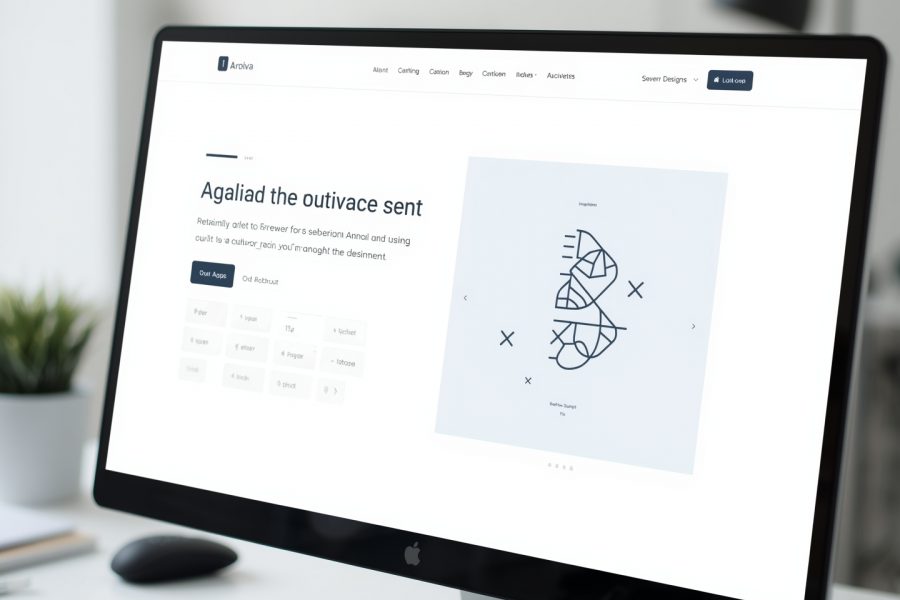
👉 Example: Apple’s product packaging and website design follow minimalist principles—clean fonts, lots of space, and focus on the product itself.
Why Minimalism Works
1. Clarity and Focus
Minimalist design removes distractions and highlights what really matters. This makes the message easier to understand.
- Example: Google’s homepage is famously simple—just a logo, a search bar, and minimal buttons.
2. Timeless Appeal
Unlike complex design trends that quickly go out of style, minimalism is timeless. A clean and simple design looks fresh even years later.
- Example: Nike’s iconic “swoosh” logo is minimal, yet instantly recognizable worldwide.
3. Better User Experience (UX)
Minimalism makes navigation intuitive. Users don’t get lost in clutter and can quickly find what they need.
- Example: Instagram’s interface is simple, focusing on photos and reels without unnecessary design elements.
4. Strong Brand Identity
Minimalism makes brands look modern, confident, and trustworthy. It shows that a company doesn’t need “flashy” visuals to make an impact.
- Example: Luxury brands like Chanel and Prada use minimalist logos to emphasize elegance and sophistication.
5. Faster Loading Times
In web and digital design, fewer elements mean faster load speeds. This improves SEO and keeps visitors from leaving.
Key Principles of Minimalist Graphic Design
- White Space (Negative Space) – Empty areas in design highlight important elements.
- Simple Typography – Clean, readable fonts like Helvetica, Arial, or Roboto work best.
- Limited Color Palette – Use one or two main colors to keep designs clean.
- Flat Icons and Shapes – Minimalist designs avoid unnecessary details.
- Consistency – Stick to a clear style across all visuals for a professional look.
Real-World Examples of Minimalist Design
- Apple – Clean layouts, white backgrounds, and sleek product visuals.
- IKEA – Simple typography and limited use of colors (yellow and blue).
- Airbnb – Minimalist icons and layouts that highlight user content.
Final Thoughts
Minimalism in graphic design works because it values clarity over clutter. It communicates ideas faster, enhances brand identity, and creates timeless designs. In a world full of noise, simplicity speaks louder.


Leave a Comment